


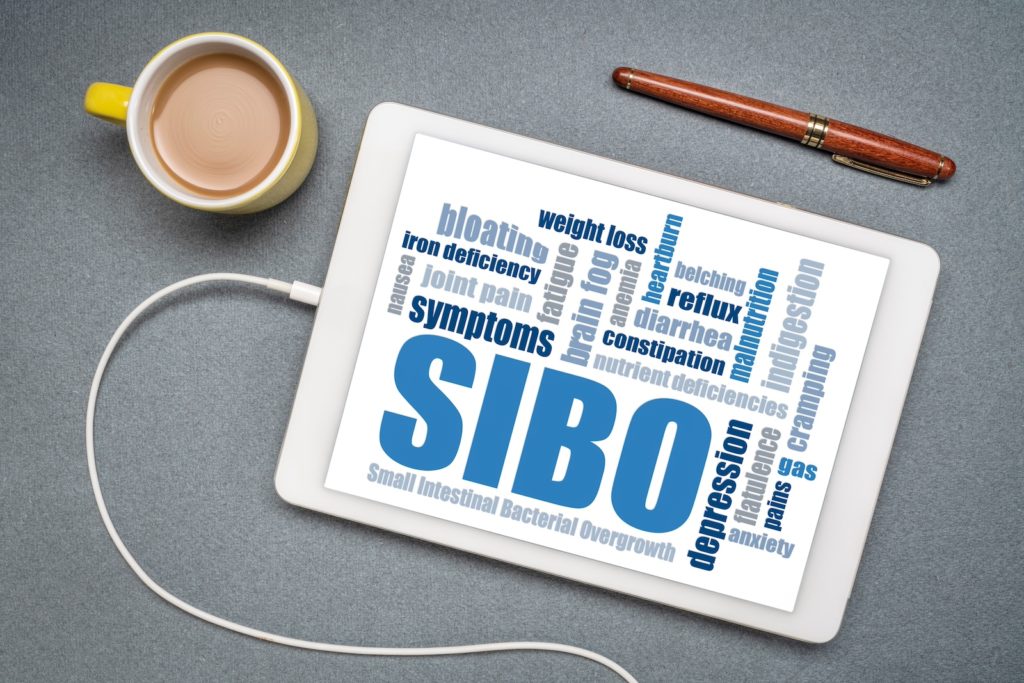
What is SIBO?
SIBO is an increasingly common condition caused by too many of the wrong kind of bacteria being too high up in your gastrointestinal tract. These bacteria produce gases that contribute to uncomfortable SIBO symptoms. The NHS estimates that up to 80% of IBS sufferers may have SIBO.
Common SIBO symptoms include:
- Loss of appetite
- Abdominal pain
- Nausea
- Bloating
- Passing excess gas
- Acid reflux
- An uncomfortable feeling of fullness after eating
- Diarrhoea/constipation
- Unintentional weight loss
- Malnutrition
What is a SIBO Test?
SIBO is a breath test which measures breath hydrogen and methane to diagnose if the patient is suffering from small intestinal bacterial overgrowth.
VHL’s test is unique as we not only offer 10 sample testing, but we also process all our tests here in the UK.
Benefits of SIBO testing
This breath test is the most accessible, non invasive, way to test for SIBO in IBS patients.
The human gut is our primary interface with our environment and is extremely important organ to consider when addressing patients’ health and wellbeing.
Bespoke reports delivered to practitioner and patient.
Test Information
The Process
- The patient fasts for a period before the test is taken, at which point a control breath sample is required.
- Following a lactulose or glucose drink, 10 breath samples are collected at 20 minute intervals over a period of 3
hours. - The test sample are returned to the laboratory in Windsor and results provided to the practitioner within 48-hours.
- Patient satisfaction as a result of this non-invasive test regime are significantly improved.
Positive Outcomes
- Practitioners can easily identify abnormalities in gut function.
- Accurate diagnosis provides an opportunity to rewardingly support patients who may have suffered with undiagnosed chronic gut conditions for many years.
- Simple treatments involve a cycle of antimicrobials, nutrient supplements and dietary intervention.
- Rapid 48-hour results turnaround times leads to a much improved patient practitioner relationship.